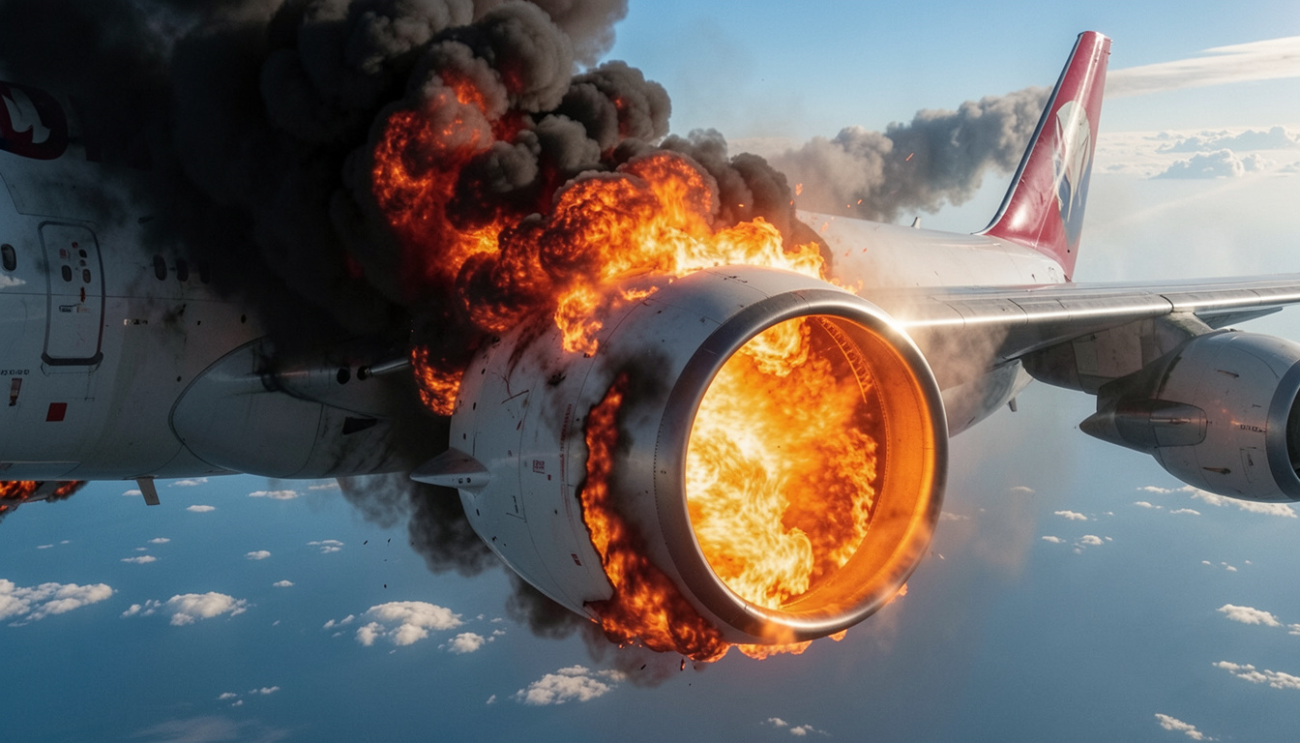
When people hear about a delta flight engine fire, it sounds very scary. Many travelers worry about what happens if a plane has engine trouble. However, planes are built with many layers of protection to keep passengers safe. Aviation experts design engines to handle problems quickly and effectively. If an engine has an issue, the pilots are trained to react immediately. They follow strict rules to ensure the plane stays under control at all times. Understanding these safety steps helps take away the fear. Knowing the facts makes flying feel much more comfortable and secure for everyone on board.
Table of Contents
How Modern Jet Engines Work
Jet engines are truly amazing pieces of modern technology. They use powerful fans to pull in large amounts of air. This air mixes with fuel and creates a controlled, powerful burn. This process pushes the plane forward at high speeds. Engineers build these engines to be incredibly tough and reliable. They go through thousands of hours of testing before they ever fly. Even though a delta flight engine fire is rare, engines have special sensors. These sensors watch for heat or smoke every single second. This constant monitoring helps catch tiny problems before they become anything serious.
Why Safety Is the Top Priority
Safety is the most important thing for every airline. Delta and other major companies spend billions on maintenance. They check every part of the plane on a regular schedule. Mechanics look at engines closely to make sure everything works perfectly. If a part shows any wear, they replace it right away. This proactive approach stops many problems before they start. When you fly, you can trust the work of these skilled professionals. They dedicate their lives to making sure you reach your destination without any issues. Their hard work is the reason air travel remains so safe.
What Pilots Do During an Emergency
Pilots are highly trained heroes who know exactly how to handle a delta flight engine fire. Their first step is to stay calm and follow a checklist. They identify which engine is having trouble using clear cockpit displays. Next, they shut off fuel to that engine immediately. This stops the fire from spreading or growing larger. Then, they use built-in fire extinguishers inside the engine area. These systems are very effective at putting out flames quickly. After the fire is out, they talk to air traffic control. They explain the situation and ask to land at the closest airport.
The Role of Air Traffic Control
Air traffic controllers are like the guardians of the sky. When a pilot reports a delta flight engine fire, the controller acts fast. They clear a path for the plane to land without any delay. They make sure no other planes get in the way. They also call for emergency trucks to wait on the ground. These fire trucks are ready to spray water the moment the plane stops. This team effort between pilots and controllers works very well. Everyone knows their job perfectly, which makes a difficult situation much easier to manage. You are in good hands with this team.
How Planes Fly with One Engine
Many people do not know that planes can fly with just one engine. Jet planes are designed to handle this exact scenario safely. Even if a delta flight engine fire happens, the plane stays stable. The pilots can steer and land the plane using only the remaining engine. It might feel a bit different, but the plane is still fully capable. You will stay safe and secure throughout the landing process. Airplanes are built with many backup systems for everything. This redundancy is why flying is statistically the safest way to travel today.
Important Safety Features Onboard
Every plane has many hidden features to protect you. Fire suppression systems are located in the engine and cargo areas. There are also smoke detectors in the bathrooms and cabins. These systems alert the flight crew instantly if there is any smoke. Flight attendants also receive training to handle any fire-related emergency. They know exactly how to use fire extinguishers and how to help passengers. They practice these drills many times every year. Their main goal is to keep you calm and safe until the plane reaches the ground. You are never alone during a flight.
How Maintenance Teams Prevent Fires
Maintenance is the best way to prevent a delta flight engine fire. Airlines use advanced tools to check for cracks or leaks. They even use X-rays to look inside engine parts. These daily checks ensure that every bolt is tight and every wire is safe. If a part is even slightly off, they fix it before it flies again. This strict attention to detail is why major airlines are so reliable. When you see a plane taking off, you are seeing the result of hours of careful maintenance. They leave nothing to chance when it comes to your safety.
What to Do as a Passenger
If you ever feel nervous, remember that you are in a safe environment. Follow all instructions from the flight attendants at all times. They have the most experience with cabin safety and emergency procedures. Keep your seatbelt fastened when the sign is on, just in case. Listen carefully to the safety briefing before the flight starts. Knowing where the exits are can help you feel more confident. If you have questions, the crew is always happy to help. Staying informed and calm helps the entire cabin stay relaxed during the trip.
Lessons Learned from Aviation History
The aviation industry learns from every single event. If a delta flight engine fire occurs, experts study the cause. They want to know exactly why it happened so it never happens again. They share these lessons with all other airlines worldwide. This constant learning process makes planes safer every single year. Technology keeps getting better, and training keeps getting stronger. Because of this, the chances of having an engine problem continue to drop. You benefit from decades of safety improvements every time you board a plane for a vacation.
Why Air Travel Remains Very Safe
Flying is much safer than driving a car or taking a bus. While news about a delta flight engine fire can sound scary, it is actually quite rare. Modern aviation has strict rules and high standards. Pilots, mechanics, and controllers work together to maintain these high standards. Millions of flights happen every year without any major problems. When you choose to fly, you are choosing one of the safest ways to see the world. Relax and enjoy your flight knowing that everything is under control. Your safety is the number one priority for everyone involved.
Biography of a Commercial Pilot
| Category | Information |
| Primary Goal | Ensuring passenger safety and comfort. |
| Typical Training | 1,500+ hours of flight time and regular exams. |
| Main Tools | Advanced avionics, navigation, and engine sensors. |
| Response Style | Calm, systematic, and procedure-focused. |
| Communication | Constant contact with Air Traffic Control. |
Frequently Asked Questions
1. Can a plane stay in the air with a delta flight engine fire?
Yes, planes are designed to fly safely even if one engine is turned off.
2. How do pilots put out an engine fire?
They use cockpit controls to cut off fuel and activate onboard fire extinguishers.
3. Is a delta flight engine fire common?
No, it is very rare because of strict maintenance and advanced engine sensors.
4. What should I do if there is an emergency?
Stay calm, listen to the flight attendants, and follow all safety instructions.
5. Are pilots trained for engine fires?
Yes, pilots practice emergency scenarios in simulators many times every year.
6. Why is air travel considered so safe?
It is safe because of constant maintenance, redundant backup systems, and highly trained crews.
Conclusion
Learning about how a delta flight engine fire is handled shows just how safe air travel really is. With expert pilots and constant maintenance, you can feel confident on your next journey. Have you ever wondered about other safety features on a plane? Let us know in the comments, or share your own travel experiences with us! Safe travels on your next big adventure.
