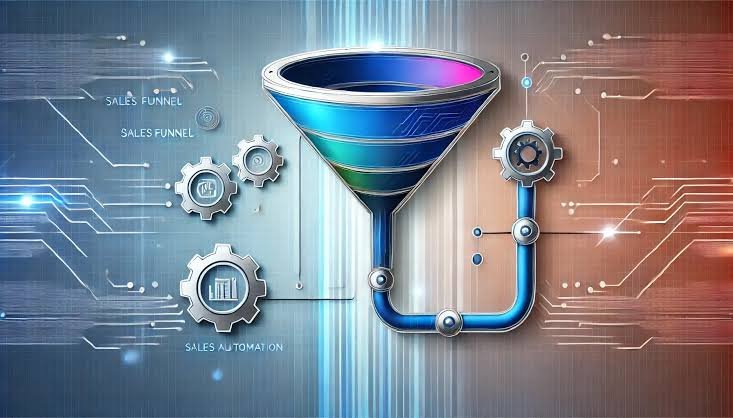
Understanding the Role of a Funnel Builder
A Funnel Builder is one of the most valuable tools for businesses that want to attract visitors, convert them into leads, and eventually turn them into loyal customers. Instead of relying on disconnected marketing strategies, a Funnel Builder creates a clear path that guides potential buyers from their first interaction with a brand to the final purchase. This structured approach improves customer experience while helping businesses increase their conversion rates. Whether you own an online store, provide services, or sell digital products, implementing a well-designed funnel can significantly improve business performance.
Businesses today face intense competition across almost every industry. Customers have countless choices, making it essential to offer a smooth and engaging buying journey. A Funnel Builder simplifies this process by combining landing pages, lead capture forms, email automation, payment systems, and follow-up campaigns into one streamlined workflow. This reduces manual work while ensuring every visitor receives relevant information at the right stage of the purchasing process.
Key Features That Make a Funnel Builder Effective
Modern Funnel Builder platforms come equipped with powerful features that simplify digital marketing. One of the most useful capabilities is drag-and-drop page creation, allowing users to design professional landing pages without coding knowledge. Businesses can also customize templates, integrate payment gateways, and connect email marketing platforms for seamless communication with prospects. These features help companies launch campaigns quickly while maintaining a professional appearance.
Another essential feature is automation. Instead of manually responding to every lead, businesses can create automated email sequences, schedule follow-up messages, and trigger personalized actions based on customer behavior. Analytics and reporting tools also allow marketers to monitor visitor activity, identify drop-off points, and optimize each stage of the funnel for improved performance. These insights contribute to smarter marketing decisions and higher return on investment.
Benefits of Using a Funnel Builder for Online Marketing
A Funnel Builder provides several advantages that extend beyond simple website design. One major benefit is improved lead generation. Businesses can capture visitor information through attractive opt-in forms and encourage users to subscribe in exchange for valuable content such as guides, discounts, or free consultations. This process helps build a qualified email list that supports long-term customer relationships.
Another significant advantage is increased sales conversions. Rather than sending visitors directly to a product page, businesses can educate prospects through carefully planned content before presenting an offer. This gradual approach builds trust and confidence, making customers more likely to complete a purchase. As a result, businesses often experience better conversion rates and greater customer satisfaction.
How a Funnel Builder Supports Customer Journey Optimization
Every customer goes through multiple stages before making a buying decision. A Funnel Builder is designed to support each stage by delivering relevant information at the appropriate time. At the awareness stage, businesses attract visitors using blog posts, advertisements, or social media campaigns. Once visitors arrive, the funnel encourages them to subscribe or learn more through engaging landing pages.
As prospects move toward consideration and decision stages, the Funnel Builder provides additional resources such as product demonstrations, testimonials, case studies, and promotional offers. Automated follow-up emails remind potential customers about unfinished purchases while personalized recommendations encourage repeat business. This organized customer journey improves engagement and builds stronger relationships over time.
Choosing the Right Funnel Builder for Your Business
Selecting the right Funnel Builder depends on your business goals, technical skills, and budget. Small businesses often prioritize ease of use, making beginner-friendly platforms with ready-made templates an excellent choice. Larger organizations may require advanced customization, detailed analytics, multiple integrations, and scalable automation features that accommodate growing customer bases.
Before investing in any platform, businesses should evaluate available features, pricing plans, customer support quality, and integration options. Testing free trials can help determine whether the interface is intuitive and whether the available tools align with marketing objectives. Reading user reviews and comparing different solutions also contributes to making a well-informed decision that supports long-term growth.
Essential Components of a Successful Sales Funnel
A successful sales funnel begins with an engaging landing page designed to capture visitor attention. Strong headlines, persuasive content, appealing visuals, and a clear call to action encourage visitors to continue exploring. Lead capture forms should request only essential information to reduce friction and improve conversion rates. Simplicity often results in higher participation.
After capturing leads, businesses should nurture prospects through valuable email content that addresses customer concerns and demonstrates product benefits. Trust-building elements such as customer reviews, security badges, money-back guarantees, and success stories strengthen buyer confidence. Finally, an optimized checkout process with minimal distractions helps maximize completed purchases while reducing cart abandonment.
Common Mistakes to Avoid When Using a Funnel Builder
Many businesses create overly complicated funnels that confuse visitors instead of guiding them toward a purchase. Too many pages, excessive form fields, or unclear navigation can discourage users from continuing. A Funnel Builder should focus on simplicity, making every step logical and easy to understand. Clear messaging and consistent branding contribute to a smoother customer experience.
Another common mistake involves ignoring performance data. Businesses sometimes launch funnels without monitoring results or testing improvements. Regular analysis of conversion rates, bounce rates, and visitor behavior helps identify weaknesses that can be corrected through A/B testing, revised content, or improved page design. Continuous optimization ensures the funnel remains effective over time.
Best Practices for Maximizing Funnel Builder Performance
Creating high-quality content is one of the most effective ways to improve Funnel Builder performance. Educational articles, videos, webinars, and downloadable resources provide value before requesting a purchase. Customers appreciate businesses that solve problems and answer questions, making them more receptive to future offers. Valuable content also improves brand credibility and encourages repeat engagement.
Mobile optimization is equally important because a large percentage of online users browse and shop using smartphones. Every landing page, form, and checkout process should function smoothly across different devices. Fast loading speeds, responsive design, and simple navigation contribute to better user experiences and improved search engine visibility. Regular testing across multiple platforms ensures consistent performance for every visitor.
Future Trends Shaping Funnel Builder Technology
The future of Funnel Builder technology is closely connected with artificial intelligence and advanced personalization. AI-powered systems can analyze customer behavior, predict purchasing intent, and recommend customized content based on individual preferences. These intelligent capabilities enable businesses to deliver highly relevant experiences that increase customer satisfaction and conversion rates while reducing manual marketing tasks.
Another emerging trend involves deeper integration between customer relationship management systems, marketing automation platforms, and analytics tools. Businesses increasingly rely on centralized data to create seamless customer experiences across multiple channels. Voice search optimization, conversational chatbots, and predictive analytics will continue enhancing funnel effectiveness, enabling organizations to build stronger relationships and achieve sustainable growth in an increasingly competitive digital marketplace.
