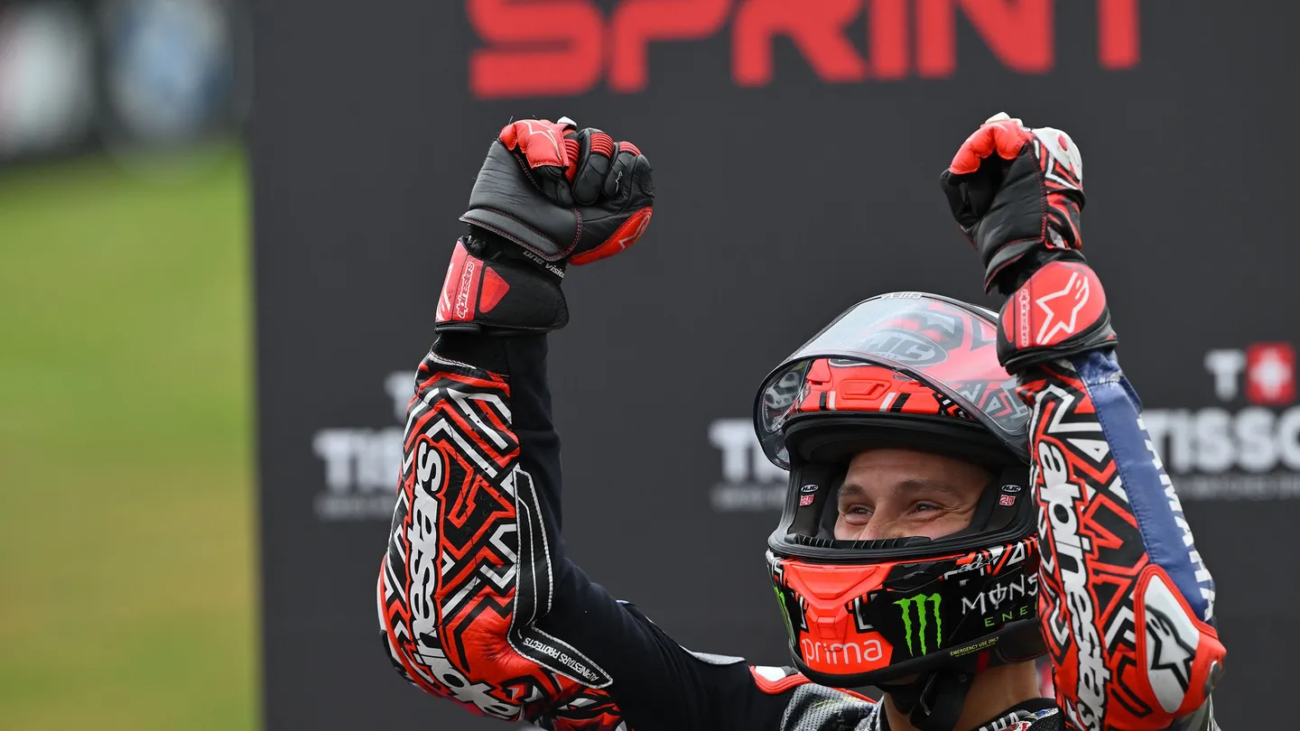
Understanding what do motogp riders wear under their leathers is essential for anyone interested in high-performance motorcycle racing. MotoGP riders operate in extreme conditions where speeds exceed 350 km/h, temperatures inside the suit can become intense, and even small discomforts can affect performance and safety. While the leather suit is the most visible piece of equipment, what sits underneath plays an equally important role in protecting the rider, managing sweat, improving aerodynamics, and ensuring comfort during long races. Riders cannot simply wear casual clothing under their suits; everything is carefully engineered for function. The under-layer system is designed to reduce friction, control body temperature, and support the body during crashes or high-impact stress. Modern Motorcycle Clothing gear combines advanced textile technology with sports science to optimize rider performance. This article explores in detail what do motogp riders wear under their leathers, including materials, structure, and why each layer is critical in professional racing environments.
Base Layer Racing Undersuits
The foundation of what do motogp riders wear under their leathers is the base layer racing undersuit. This is a full-body, one-piece garment made from lightweight technical fabrics such as polyester blends, elastane, or moisture-wicking synthetic fibers. The primary purpose of this layer is to sit directly against the skin and manage sweat buildup during intense riding conditions. MotoGP races often last 40 minutes or more, and riders experience extreme heat due to engine temperature and physical exertion. The undersuit helps wick sweat away from the body, allowing it to evaporate quickly and keeping the rider dry. A dry body reduces friction inside the leather suit, which helps prevent chafing and irritation during long races. These base layers are also designed to be extremely tight-fitting to avoid bunching or wrinkles, which could create pressure points or discomfort at high speeds. Many riders use custom-made undersuits tailored to their body shape to maximize comfort and efficiency.
Moisture-Wicking and Thermal Control Fabrics
Another key aspect of what do motogp riders wear under their leathers is the use of moisture-wicking and thermal control fabrics. These advanced textiles are engineered to regulate body temperature by moving sweat away from the skin and spreading it across the fabric surface for faster evaporation. In MotoGP, riders face both heat from the environment and internal heat generated by physical exertion, especially in stop-and-go sections or slow corners. Without proper thermal control, the body can overheat quickly, leading to fatigue and reduced concentration. Some under-suits include mesh ventilation zones placed in high-sweat areas like the back, chest, and underarms to improve airflow. In colder race conditions, certain thermal base layers are designed to retain heat while still managing moisture effectively. This balance is critical because overheating or excessive cooling can both negatively impact performance. Riders depend heavily on these fabrics to maintain stable body temperature throughout the race.
Compression Gear for Muscle Support
Compression wear is another important part of what do motogp riders wear under their leathers. Compression garments are designed to apply controlled pressure to specific muscle groups, improving blood circulation and reducing muscle vibration during high-speed riding. MotoGP riders experience constant physical strain, especially in the arms, shoulders, and legs due to braking forces, acceleration, and cornering pressure. Compression sleeves or full compression suits help reduce muscle fatigue and delay the onset of cramps during long races. Improved circulation also supports faster recovery after intense riding sessions. Additionally, compression gear helps keep muscles aligned and stable, which enhances rider precision when controlling the bike at extreme lean angles. Some riders also wear compression socks or calf sleeves to support lower leg muscles during repeated gear shifts and braking. This layer is subtle but highly effective in improving endurance and maintaining consistent performance throughout a race.
Protective Padding and Impact Layers
Protection is a crucial reason behind what do motogp riders wear under their leathers, and many riders use additional padding beneath the suit. Although the leather suit itself contains built-in armor at shoulders, elbows, knees, and hips, extra impact layers can enhance safety. Some riders wear thin foam or gel padding in areas that experience repeated pressure, such as the collarbone, back, or ribcage. These padding layers are designed to absorb vibrations and reduce the force of minor impacts during riding or sliding incidents. In addition, some base layers include integrated protection panels that distribute force more evenly across the body during crashes. These materials are lightweight and flexible so they do not restrict movement or interfere with riding posture. Safety is always a top priority in MotoGP, and even small enhancements in under-suit protection can make a significant difference in reducing injury risk during high-speed accidents.
Cooling Systems and Advanced Technology Wear
Modern MotoGP gear has evolved significantly, and technology now plays a major role in what do motogp riders wear under their leathers. Some riders use cooling vests or advanced ventilation systems integrated into their base layers. These systems may include phase-change materials that absorb heat from the body and release it slowly, helping maintain a stable internal temperature. In extremely hot races, cooling garments can be pre-cooled before the rider puts on their suit, providing a short-term temperature relief during the early laps. Additionally, some professional teams experiment with smart textiles that monitor body temperature and hydration levels in real time. Although not all riders use highly advanced systems due to weight and regulation limits, the trend in MotoGP is moving toward more intelligent under-suit technology. These innovations help riders maintain peak concentration and physical stability even under extreme race conditions.
Comfort, Fit, and Aerodynamic Efficiency
Comfort and fit are essential elements of what do motogp riders wear under their leathers because even small discomforts can affect performance at elite levels. Under-suit garments are designed to fit like a second skin, ensuring that there is no excess material that could bunch up or create air resistance. A smooth internal fit also helps the leather suit sit properly on the body, improving aerodynamics and reducing drag. Riders spend long periods in aggressive riding positions, so flexibility in the under-layer is critical for natural movement. Stretchable fabrics allow riders to lean, brake, and shift weight without restriction. Seam placement is also carefully designed to avoid pressure points in sensitive areas. Many riders work closely with manufacturers to customize their under-layer gear according to personal preferences and riding style. The goal is to create a perfect balance between compression, comfort, and freedom of movement.
Conclusion
The question of what do motogp riders wear under their leathers reveals a highly specialized system of clothing designed for performance, safety, and comfort. From moisture-wicking base layers and compression gear to advanced cooling technology and protective padding, every element serves a specific purpose in supporting elite riders. These under-suit garments are not simple clothing items but carefully engineered equipment that directly influences race performance and rider endurance. In a sport where milliseconds matter and physical conditions are extreme, the importance of what is worn beneath the leather suit cannot be underestimated. MotoGP continues to evolve, and so does the science behind under-leather gear, making it an essential part of modern racing success.
