With so many incontinence products available in the market, choosing between washable and disposable bed pads can feel confusing. You know both bed pads manage leaks, but each one suits different budgets and lifestyles. So the real question becomes which option matches your needs.
We provide both washable and reusable products at Ontex Healthcare so you can review each option side by side. And in this article, you’ll learn when each product type works best for your situation. We’ll also cover costs, protection levels, and practical tips to help you find reliable protection without wasting money.
Keep reading to find which bed pads give you the comfortable night’s sleep you deserve.
What Makes Washable Incontinence Products Different?
Washable incontinence products use reusable fabrics, which helps reduce ongoing costs and environmental waste compared to disposable pads. This combination makes them a practical choice for long-term use.
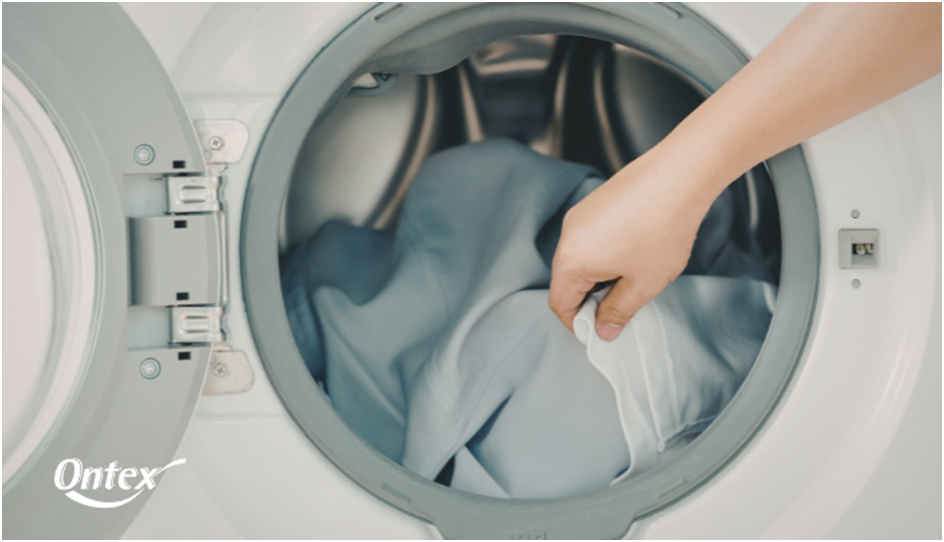
Let’s look at more features that set washable incontinence products apart:
Cost Savings Over Time
Reusable incontinence products cost more upfront, but they save hundreds of dollars yearly compared to disposable options. To be more specific, one washable bed pad replaces dozens of disposables (which quickly cuts down recurring costs).
Most washable pads last 12 to 18 months with proper care. Over time, they easily become a cost-effective and practical choice for regular use once the initial purchase is covered.
Environmental Benefits You Can’t Ignore
Disposable pads typically create tonnes of landfill waste every year across Australia. On the flip side, washable products reduce your environmental footprint substantially by cutting down on single-use products.
That’s how one reusable bed pad can replace hundreds of disposable pads, which significantly reduces the amount of waste sent to landfills.
Comfort and Skin Health with Reusable Options
Beyond cost and sustainability, comfort is another main consideration. We’ve helped hundreds of Australians find relief from skin irritation by switching to washable fabrics. These fabrics use materials like cotton, bamboo, and microfibre to reduce discomfort and help prevent rashes from prolonged moisture exposure.
They also feel softer against the skin and allow better air circulation. As a result, skin stays drier and more comfortable, particularly during nighttime wear.
Why Disposable Options Work for Many Australians
Disposable products generally remove the need for washing and work well during travel, recovery, or when managing unpredictable heavy leaks.
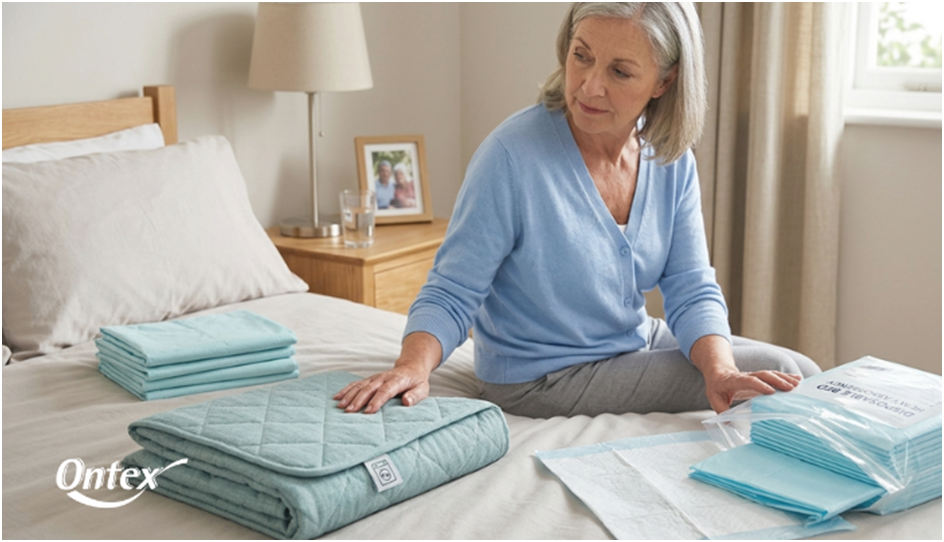
Here’s why so many Australians rely on them for protection:
- Disposable Bed Pads Require Zero Washing Effort: Carers managing frequent changes tell us that disposable bed pads save time each week. You just remove the used pad, toss it in the bin, and replace it with a fresh one. This simple routine reduces daily workload, especially for busy families caring for adults or children with incontinence.
- Travel and Outings Become Simpler: When travelling or staying overnight, disposable products make packing easier since you don’t need to carry used items. Plus, they provide reliable protection even when laundry access is limited.
- Recovery Periods Need Less Effort: During recovery, disposable bed pads offer a practical solution when mobility is limited. They also ensure absorbent protection without adding extra stress during hospital stays or post-surgery care.
- Overnight Protection Delivers Proper Sleep: Disposable bed pads offer extra protection for nighttime accidents without worrying about leaks. Their waterproof feature keeps everything underneath dry, so you get a restful night’s sleep.
Quick Tip: You should consider the levels of absorbency, size, and waterproof protection your mattress needs before choosing the right bed pads. The right combination helps avoid spills, improves coverage, and keeps your bedding secure.
Choosing Between Bed Pads: Reusable vs Disposable
Bed pads don’t work the same for every situation. The right choice depends on leak severity and how you plan to use them every day.
Check out a few common cases and which option suits them best:
When Washable Bed Pads Make Sense
In home settings with reliable washing, reusable bed pads work well for daily use and overnight protection. You can wash them in warm water, dry them, and use them again without constant trips to the shop for replacements.
We’ve found that moderate incontinence levels respond well to quality washable bed pads. They usually handle regular leaks without requiring constant product replacement and repeated mattress protector costs over time.
Situations Where Disposable Bed Pads Are a Better Option
Disposable bed pads are the more practical alternative for the following situations:
- Heavy leakage requires higher absorbency, which makes disposable bed pads a safer choice for reliable protection.
- Nighttime use benefits from disposable pads, as they manage unpredictable accidents more effectively.
- For guest bedrooms, disposable pads offer protection without involving visitors in laundry.
- Care settings rely on disposables to reduce hygiene risks by avoiding contaminated washing.
- Waterproof backing on disposable pads protects bed linen and mattresses from leaks.
In these cases, disposable bed pads support better hygiene and protection with minimal effort.
Mixing Both Types for Better Results
Many households use a mix of both disposable and reusable options to balance cost and convenience. Washable pads work well at home, while disposable alternatives support travel or temporary needs.
For your information, many Australian brands like Ontex Healthcare offer both washable KYLIE bed protection and disposable iD Expert Protect bed pads. These products give you the flexibility to switch between types depending on your daily needs.
Making Your Choice: What to Consider for Your Continence Care
Your daily routine, budget, and level of care all influence which choice works best. These six factors help you compare washable and disposable incontinence products more clearly:
| Factor | Washable Products | Disposable Options |
| Washing Facilities | Need reliable access to a hot-water washing machine | No laundry required |
| Budget | Higher upfront cost, lower ongoing expense | Lower upfront cost, higher ongoing expense |
| Incontinence Severity | Suits moderate urinary incontinence | Better for heavy bladder leaks needing extra absorbency |
| Lifestyle Needs | Works for home-based daily use | Ideal for travel, mobility limitations |
| Skin Sensitivity | Breathable fabrics, high-quality materials | Hypoallergenic options available |
| Storage Space | Requires drying areas | Needs bulk storage for a range of products |
Each aspect plays a role in how well a product fits your situation. For example, washable products depend on reliable washing access, while disposable products remove that requirement entirely. Budget also shifts over time, with reusable alternatives reducing long-term costs and disposables offering lower upfront spend.
Beyond these, leak severity is another deciding factor. Heavier bladder leaks often need the higher absorbency of disposable bed pads, while moderate leaks need reusable options.
Finding Your Perfect Fit
Choosing the right incontinence products lies in a few simple considerations:
- If you have a consistent washing routine, reusable bed pads can work well for daily use at home.
- When budget is a concern,washable products help reduce long-term costs compared to disposables.
- For heavier leakage, disposable pads provide the extra absorbency needed for reliable protection.
However, many people use both washable and disposable options throughout the week for more flexibility. For example, you can use washable pads for everyday use and keep disposables for situations where you prioritise convenience.
At Ontex Healthcare, we offer both types to suit different Australian families. Contact us today to test what works best for your individual needs and sleep peacefully every night.
