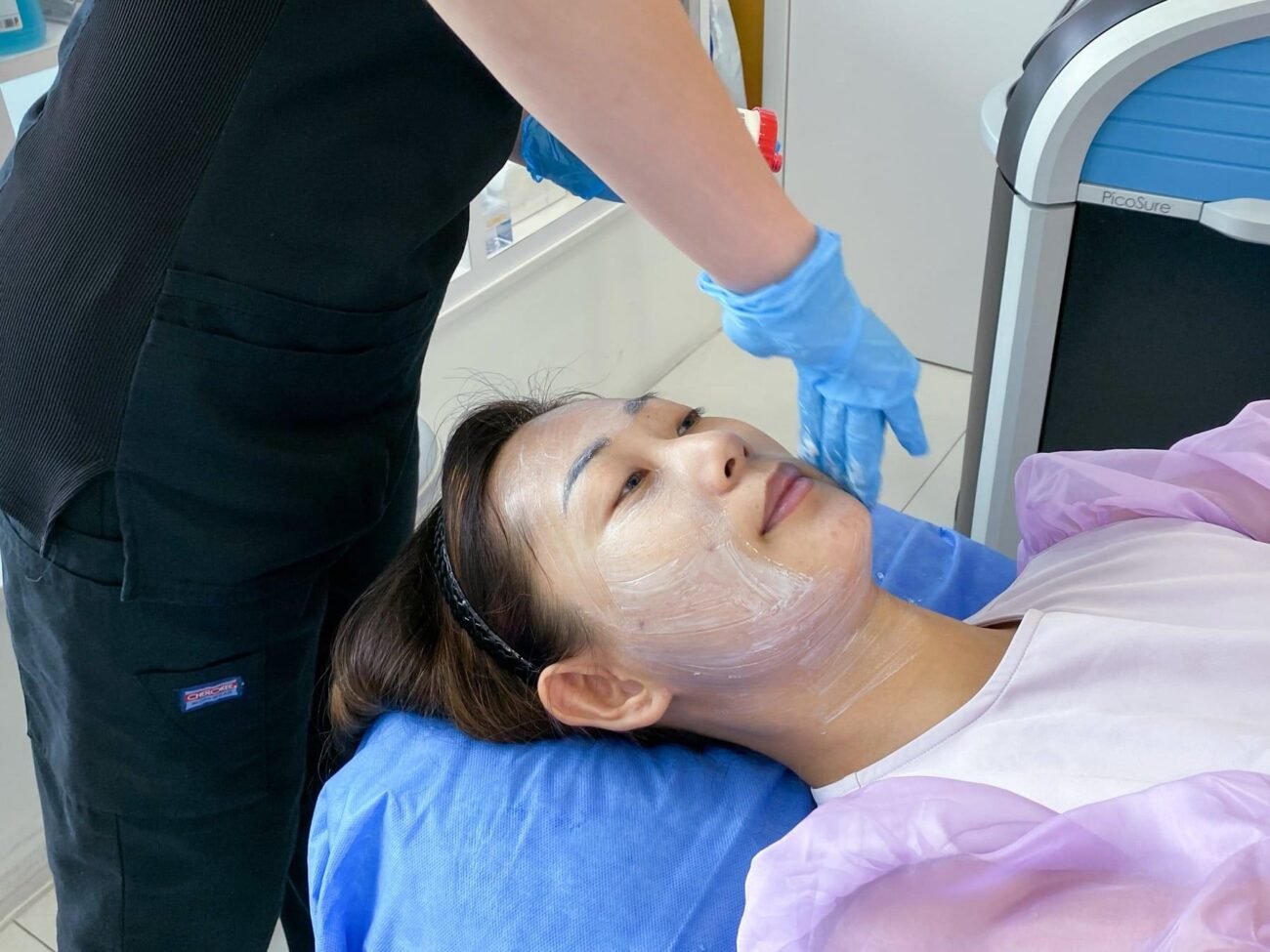
Whether you’re preparing for laser hair removal, microneedling, tattooing, cosmetic injections, or a minor dermatological procedure, one concern is almost universal—pain. Fortunately, advances in topical anesthesia have made many skin treatments significantly more comfortable without the need for injections.
Topical local anesthetic creams temporarily numb the skin before a procedure, helping reduce discomfort while allowing both patients and practitioners to focus on achieving the best possible results. Today, these products are widely used in dermatology clinics, aesthetic practices, tattoo studios, and medical facilities around the world.
What Are Topical Local Anesthetic Creams?
Topical local anesthetics are medications that are applied directly to the skin to temporarily reduce sensation in a specific area.
Unlike injectable anesthetics, they work only where they are applied and do not affect consciousness or the entire body.
They are commonly available in several forms, including:
- Creams
- Gels
- Ointments
- Sprays
- Lotions
- Patches
Their primary purpose is to numb the skin before procedures that might otherwise cause discomfort. They work by temporarily blocking nerve signals responsible for transmitting pain.
How Do They Work?
Pain is transmitted through nerves that send electrical signals to the brain.
Topical anesthetics temporarily interrupt these signals by blocking sodium channels in nerve endings. As a result, the treated area becomes numb, allowing many procedures to be performed with significantly less discomfort.
Because they work only at the application site, normal sensation gradually returns after the medication wears off.
Common Active Ingredients
Several anesthetic ingredients are widely used in modern numbing creams.
Lidocaine
Lidocaine is one of the most frequently used local anesthetics worldwide.
It is popular because it:
- Acts relatively quickly
- Provides reliable skin numbing
- Is widely used for both medical and cosmetic procedures
Prilocaine
Prilocaine is often combined with lidocaine.
This combination may provide balanced onset and longer-lasting anesthesia for many superficial procedures.
Combination Formulas
Many professional numbing creams contain more than one anesthetic ingredient to optimize both comfort and duration.
These formulations are especially popular before aesthetic procedures requiring larger treatment areas.
Popular Procedures That Use Numbing Creams
Topical anesthetics are commonly applied before a wide variety of treatments.
Laser Hair Removal
Laser treatments may become significantly more comfortable when the skin is properly numbed beforehand.
Microneedling
Microneedling involves thousands of tiny punctures in the skin, making topical anesthesia a common part of preparation.
Tattoo Sessions
Long tattoo appointments often involve numbing creams to improve comfort during extended sessions.
Cosmetic Injectables
Many aesthetic providers apply topical anesthetics before dermal fillers or similar injectable treatments.
Dermatological Procedures
Topical anesthetics are frequently used before:
- Mole removal
- Wart treatment
- Skin biopsies
- Minor surgical procedures
- Blood collection in selected situations
Benefits of Topical Anesthetic Creams
Their popularity continues to grow because they offer several important advantages.
Improved Comfort
Reducing discomfort helps many people feel more relaxed throughout treatment.
Reduced Anxiety
Fear of pain prevents some individuals from scheduling procedures they would otherwise like to have.
Knowing the skin will be numbed beforehand often helps reduce this anxiety.
Better Treatment Experience
Patients who remain comfortable are usually able to stay still during delicate cosmetic procedures.
No Injectable Anesthesia
Many superficial procedures can be completed comfortably without injections.
Preparing for Treatment
Proper preparation helps maximize the effectiveness of topical anesthesia.
Common recommendations include:
- Following the practitioner’s instructions carefully
- Applying the cream only as directed
- Keeping the skin clean before application
- Allowing sufficient time for the cream to take effect
Many lidocaine-based creams require approximately 30–60 minutes to achieve optimal numbing before a procedure.
Choosing the Right Product
Different procedures require different levels of anesthesia.
Factors that may influence product selection include:
- Treatment type
- Procedure duration
- Size of the treatment area
- Skin sensitivity
- Healthcare provider recommendations
Selecting an appropriate product helps improve comfort while supporting safe use.
Choosing Professional Numbing Products
As cosmetic medicine continues to expand, many individuals and professionals seek dependable products that provide consistent temporary skin numbing before aesthetic and medical procedures.
A carefully selected range of topical local anesthetic creams offers products designed to help improve comfort before laser treatments, microneedling, tattoo sessions, cosmetic injections, dermatological procedures, and many other skin treatments.
With multiple formulations available, users can choose products that best match the procedure being performed while following appropriate application instructions.
Common Mistakes to Avoid
Even high-quality numbing creams should always be used responsibly.
Applying Excessive Amounts
Using more cream than recommended does not necessarily improve effectiveness and may increase the risk of unwanted side effects.
Applying to Damaged Skin
Many products are intended for intact skin unless otherwise directed by a healthcare professional.
Ignoring Application Time
Removing the cream too early may reduce its numbing effect.
Purchasing From Unverified Sources
Choosing products from reputable suppliers helps ensure quality, consistency, and reliable performance.
Why Topical Anesthetics Continue to Grow in Popularity
Modern aesthetic medicine has made cosmetic procedures more accessible than ever before, and topical anesthetics have become an essential part of improving the overall patient experience.
By helping reduce pain without injections, they allow individuals to undergo treatments with greater confidence and comfort.
Whether preparing for laser hair removal, skin resurfacing, tattoo work, microneedling, or cosmetic injections, temporary skin numbing has become an important component of modern cosmetic care.
Final Thoughts
Topical local anesthetic creams have transformed the way many cosmetic and medical procedures are performed by making treatments more comfortable and less intimidating. Their ability to temporarily numb the skin safely and effectively has made them valuable tools for healthcare providers, aesthetic professionals, and individuals alike.
As the demand for non-surgical cosmetic procedures continues to grow, high-quality topical anesthetic products remain an important part of helping patients enjoy a more comfortable treatment experience while supporting successful outcomes.
